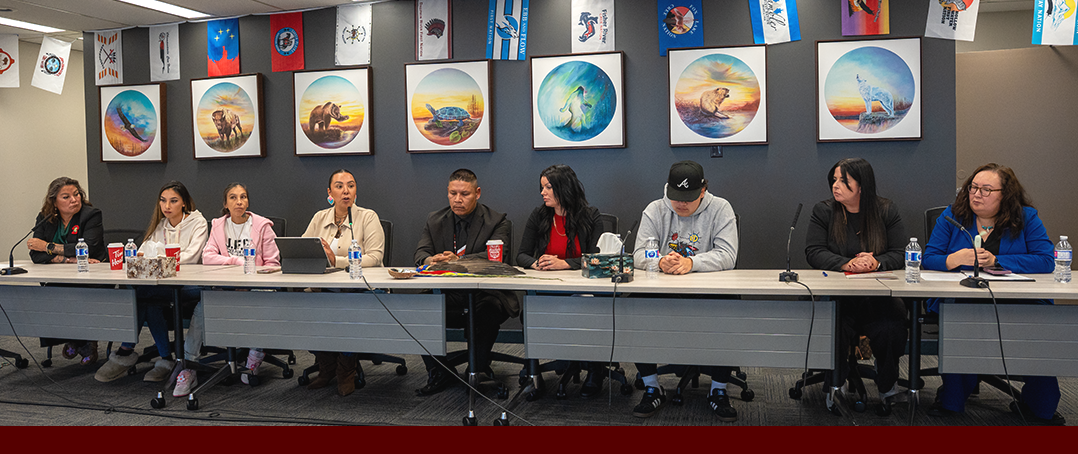
Following the conclusion of the inquest into Eishia Hudson's death, her family, legal counsel, and First Nations leadership gathered in Winnipeg to call for meaningful reforms, greater accountability, and a broader examination of police oversight.
WINNIPEG, MB | October 20, 2026 — One day after the release of a statement outlining the family's concerns and recommendations following the Eishia Hudson inquest, members of Eishia's family gathered at the Assembly of Manitoba Chiefs (AMC) to speak publicly about their experience, the questions that remain, and the changes they hope will follow.
The press conference brought together Eishia's family, representatives of AMC, the First Nations Family Advocate Office, and legal counsel, including Cochrane Sinclair LLP.
Eishia was 16 years old when she was shot and killed by a Winnipeg Police Service officer on April 8, 2020. More than six years later, her family continues to seek accountability and meaningful changes that could help prevent similar tragedies.
A family's grief and determination
Throughout the press conference, Eishia's family spoke about the profound impact of her death and the emotional toll of the inquest process.
“My daughter was more than just a headline,” said William Hudson, Eishia's father.
His words reflected the family's determination to ensure Eishia is remembered for the life she lived, rather than solely the circumstances of her death.
Hudson reflected on the six and a half years since losing his daughter, including the protests, gatherings, memorials, and community events organized to honour her memory and raise awareness.
The family also described the difficulty of revisiting the events surrounding Eishia's death throughout the hearings. While the inquest provided an opportunity to examine evidence and hear testimony, the process has been emotionally demanding.
Their message was clear: the conclusion of the hearings does not mark the end of their advocacy.
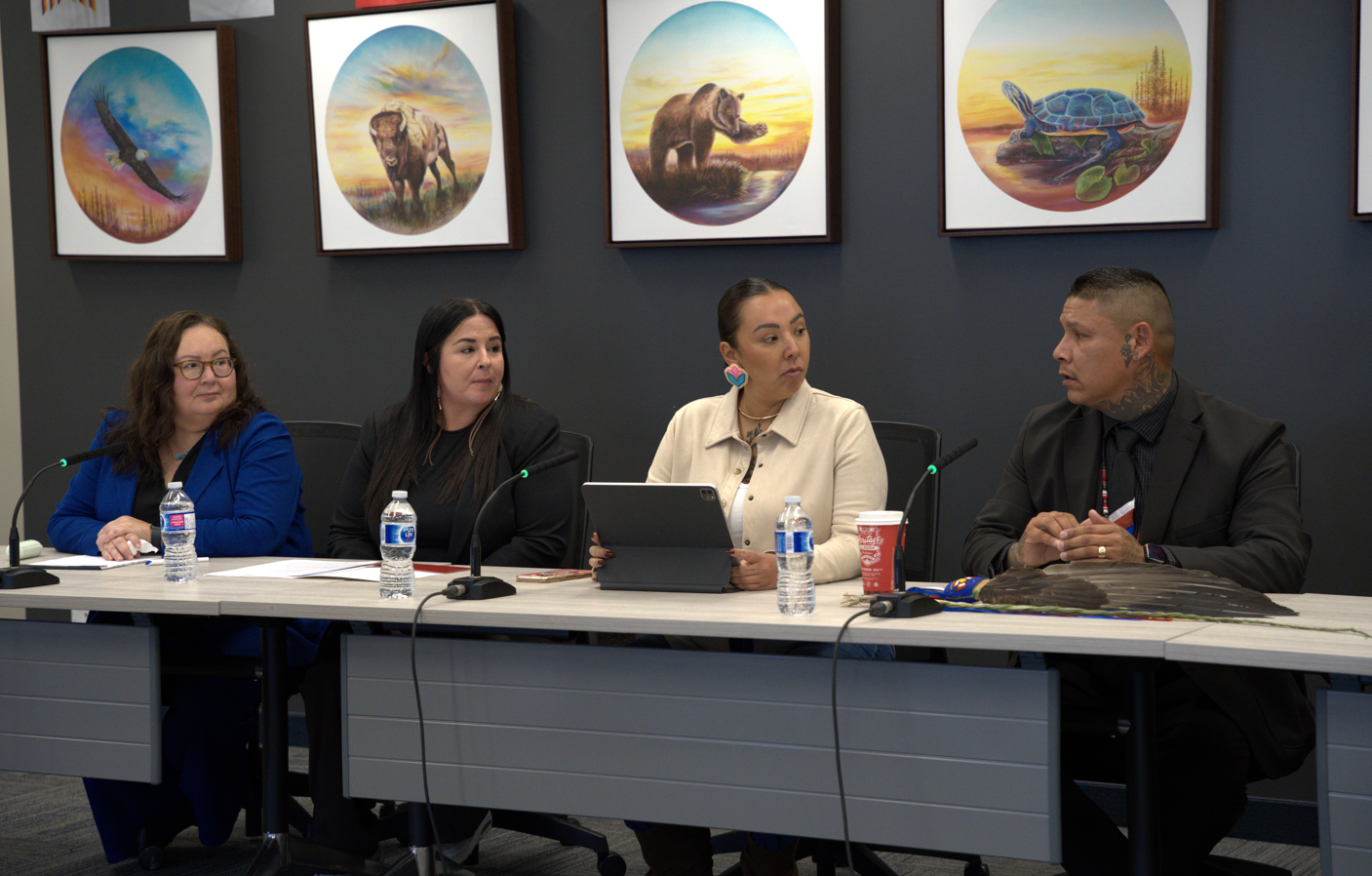
From left to right: Stacey Soldier, Partner at Cochrane Sinclair LLP; Lindsay LeBlanc, Lawyer at Cochrane Sinclair LLP; Grand Chief Kyra Wilson of the Assembly of Manitoba Chiefs; and William Hudson, Eishia Hudson’s father, at the October 20, 2026, press conference in Winnipeg.
Calls for a broader public inquiry
A central focus of the press conference was the family's call for a public inquiry examining broader systemic concerns involving police interactions with Indigenous people and the investigation of police-related deaths.
Speakers distinguished the recently concluded inquest, which examined the circumstances of Eishia's death, from a broader public inquiry that could consider patterns and systemic issues extending beyond an individual case.
The family and AMC representatives raised concerns about the structure and independence of Manitoba's Independent Investigation Unit (IIU), including the need for greater transparency and meaningful First Nations involvement in police oversight.
The family also reiterated concerns about the handling of evidence in the investigation, including civilian video footage and the absence of forensic collision reconstruction.
These concerns reflect the issues raised during the inquest and the family's continuing pursuit of answers about the decisions and investigative processes surrounding Eishia's death.
From recommendations to meaningful action
Speakers emphasized that meaningful change will depend not only on the recommendations ultimately issued but also on their implementation.
Among the priorities discussed were improvements to police training and use-of-force practices, greater attention to Indigenous-specific racism, stronger independent investigative standards, and more effective supports for First Nations youth and families.
Grand Chief Kyra Wilson of the Assembly of Manitoba Chiefs challenged governments and public institutions to respond to the concerns raised throughout the proceedings.
“The question is, what are you prepared to do about them?” Wilson asked.
Her remarks reinforced the importance of moving beyond acknowledging systemic concerns toward implementing measurable reforms.
AMC leadership also highlighted the importance of First Nations-led approaches to reform and the need for public institutions to rebuild trust with Indigenous communities.
The discussion extended beyond policing to the experiences of First Nations youth within child welfare, justice, and other public systems.
For Eishia's family and those supporting them, these issues are interconnected. They underscored the need for preventive supports, culturally appropriate responses, and accountability across the institutions responsible for protecting young people.
Awaiting the inquest's findings
The inquest hearings concluded on October 15, 2026. The family now awaits the final report and recommendations of Judge Margaret Wiebe.
“The inquest has concluded after a long and difficult process for Eishia's family,” said Lindsay LeBlanc, lawyer with Cochrane Sinclair LLP, during the press conference.
LeBlanc reiterated that the family's submissions asked the Court to consider practical recommendations addressing police vehicle encounters, use of force, Indigenous-specific racism, independent investigations, family supports, and public accountability.
While the final findings remain outstanding, the family has made clear that its advocacy will continue.
Cochrane Sinclair LLP remains committed to supporting Eishia's family as they seek accountability and meaningful change.
Eishia's family has spent more than six years ensuring her story is heard. Their message following the inquest is that her life must be remembered not only through the examination of what happened, but through the actions taken to prevent another family from experiencing a similar loss.